The Little Mermaid Camp
A five-day musical theater intensive where Young Artists don't just perform a show — they learn the craft of theater-making, then put it straight to work building a Little Mermaid concert revue. No costumes, no scenery — the performers are the whole show.
Please note: these are suggested outlines and times. Some specifics may vary by production and season.
Not a camp that ends in a show — a front-row education
The Encore Experience transforms the traditional theater camp into a comprehensive arts-education program. Each day opens with a hands-on Experience Session teaching a fundamental skill of theater-making — then Young Artists put it straight to work in that day's rehearsal.
The Little Mermaid runs in a classroom, not a theater — no costumes, no sets, no lights. That's the point: with nothing to hide behind, Young Artists learn to build two whole worlds — the sea below and the shore above — with only their bodies, their voices, and the space. The one day in the theater is the performance.
The "learn it, use it" model
- Warm up and build community as a company.
- Learn a core theater skill in the Experience Session.
- Apply that exact skill in the rehearsal that follows.
- Watch it become part of the show you're building — day by day.
Every camp day follows the same shape
Skills first, applied right after — so nothing feels abstract. What you learn early, you’re using within the hour. Rehearsal is always the biggest block of the day. (Saturday, August 15 runs 10:00am–1:00pm; Monday to Thursday run 6:00–8:30pm. Performance day has its own schedule — see below.)
Built on a single ache: wanting to belong to a world that isn't yours yet
Themes & messages
- Longing for more than the world you were given — and the courage to reach for it.
- Two worlds, and the bravery it takes to cross between them.
- Finding your voice — literally and figuratively.
- Growing up means risking comfort for the life you imagine.
- Belonging is something you choose and earn, not something you're simply given.
The emotional journey
- Beginning — a world that feels too small for the person inside it.
- Middle — a leap toward something new — thrilling, risky, and costly.
- End — a person who has found where, and to whom, they belong.
Signature element — the longing
The Little Mermaid lives in the ache of wanting to belong to a world that isn't yours yet — and the bravery it takes to go after it anyway. Our revue is built on that longing: the pull between the world below and the world above, and the voice it takes to bridge them. The ensemble's job is to make an audience feel that reach — without ever forcing it.
Two worlds, told by the body
The Little Mermaid is a show of two physical worlds. With no costumes, sets, or lights, the performers make the audience see the sea and the shore using movement alone — buoyant and weightless below the surface, grounded and upright above it. A single length of blue fabric, used with conviction, can become the entire ocean.
The visual world
Colors as feeling and movement as place. The world is carried entirely by the ensemble — how they move, the levels and formations they make, and the energy they hold. The audience sees the change in the bodies.
Three deep dives into the world of the show
Woven through the camp — not one-off add-ons, but foundations the whole revue is built on.
Finding Your Voice — Longing as a Performance Tool
Young Artists explore want as the engine of performance: what does it look like to ache for something, and how do you let an audience feel it without forcing it? Stillness and breath as longing; "finding your voice" games from a whisper to full, free sound.
Two Worlds — Movement Below & Above
The Little Mermaid is a show of two physical worlds. This workshop teaches Young Artists to make the audience see the sea and the shore using only the body — buoyancy and flow below, weight and grounding above — and to cross between them, together, as an ensemble.
Character & Comedy — Villains, Sidekicks & Heart
From a charismatic villain to comic sidekicks to the show's deep emotional core, The Little Mermaid asks for range. Big, delicious villainy played with control; comic timing in the lighter numbers; sincerity in the emotional songs — and matching your style to the kind of song you're in.
Ten songs, two worlds
The revue moves from the sea below to the shore above — longing, the leap, and belonging. Filter by where each song lives in the journey.
Tap any day to see what happens
Each day's Experience Session teaches a skill; the rehearsals that follow put it to work. Here's the arc, day by day.
Skills that outlast the show
Theater skills
- Building a world with body, voice, and space — no scenery
- Two physical registers — buoyant below, grounded above
- Longing as a performance engine — want you can feel
- Vocal range and style across the whole score
- Ensemble unity and stage-picture composition
- Character & comedy — villains, sidekicks, and heart
- Concert-revue structure and thematic arc
- Mixed-age ensemble leadership and collaboration
21st-century skills
- Courage — reaching for more than the world you were given
- Finding your voice, literally and figuratively
- Belonging as something you choose and earn
- Persistence through difficulty
- Collaboration — the ensemble as one company
- Empathy through character and story
Story & thematic connections
- Two worlds, and the bravery to cross between them
- Growing up — risking comfort for the life you imagine
- Imagination and world-building without spectacle
- The classic Little Mermaid story and its heart
- How movement and stillness tell a place apart
- Wanting more as the beginning of every brave thing
Why the mixed-age range is the whole point
The mixed-age ensemble isn't a logistical compromise — it is the show's central image: a whole company, ranging from 7 to 11, that feels like a real community in a way a same-age group simply cannot. Everyone is in every number. No one steps outside the circle.
Built-in differentiation runs through every session: younger Artists (7–9) work in concrete, physical, imaginative modes; older Artists (10–11) engage in analytical, leadership, and emotionally nuanced work.
Younger Artists (7–9)
Bright, high-energy ensemble features and the uncomplicated joy the playful numbers require — partnered with older Artists for support.
Older Artists (10–11)
Lead solos, narration, and the show's weightier emotional moments — the longing, the leap, and the belonging.
What makes it possible
- Soundtrack and accompaniment tracks for the songs in the revue
- Camp or show t-shirts — performance attire (there are no costumes)
- A few simple, deliberate props as imagination anchors — a length of blue fabric for the sea
- Optional fabric pieces or scarves for movement exploration
- Drawing and design supplies, markers, and paper
- Scripts with narration and transitions
- Reference images that capture the world of the show
- A classroom rehearsal space, whiteboard or chart paper, water bottles, first-aid kit, emergency contacts
They learn that wanting more is where every brave thing begins
The Little Mermaid Experience teaches Young Artists that wanting more is not something to apologize for — it is the beginning of every brave thing a person does. With no scenery to hide behind, they learn to build two whole worlds with their bodies and their voices.
And they learn to reach — fully and without fear — for the life just past the surface. That isn't just theater training; it's something they carry long after the show closes.
Videos to explore
A few things to watch alongside the workshops — for warm-ups, movement, and inspiration. Tap any to open it on YouTube.

Fun & Silly Vocal Warm-Ups for Kids
Playful, low-pressure warm-ups — sirens, silly sounds, and stretches to loosen up and find full, free sound.
Watch on YouTube →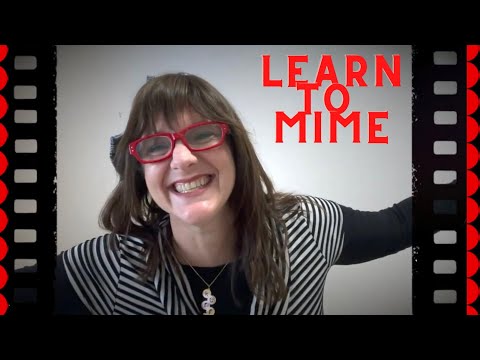
Learn How to Mime — Beginner Class
Clear, exaggerated movement is the core skill for building the sea and the shore with your body — no scenery required.
Watch on YouTube →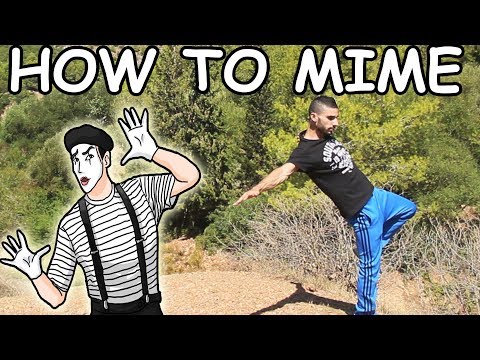
How to Mime — Creative Movement
Using mime and gesture in movement to make an audience see what isn't there — buoyant below, grounded above.
Watch on YouTube →
Miming with a Pro
A professional mime breaks down the fundamentals of bringing imaginary objects — and whole worlds — to life.
Watch on YouTube →
Behind the Scenes: The Little Mermaid
A look behind the curtain at a stage production of The Little Mermaid — the world coming together.
Watch on YouTube →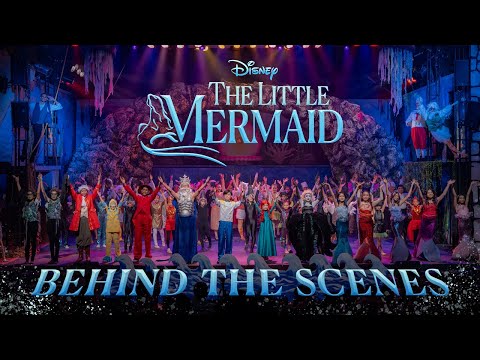
The Little Mermaid — Behind the Scenes
Another behind-the-scenes glimpse of a Little Mermaid production taking shape onstage.
Watch on YouTube →More for leaders: Carnegie Hall vocal & body warm-ups, Kennedy Center mime & pantomime, and Drama Notebook games for character & comedy work.